Beginner tips for Flipping is Hard
Separate the high jump from the long jump before you chase height. The studio says rotation is relative to the camera, and that one mistimed flip can erase a long stretch of progress. If that cost is too high, Flipping Is Chill adds checkpoints. The no-checkpoint climb is the mode the studio calls the intended experience. Every note below restates a published page.
1. Learn the two jumps as different tools
The studio page splits them on purpose. No direction held is for height. A direction held while you jump is for distance, and that version is labeled with Space. Treating every bounce as the same input is the first mismatch with the published control card. The full table, including the keys nobody has printed, is on the how to flip page.
2. Rotate against the camera, not against his face
The diagram says tilt follows the camera, not Flippy's facing. If the phone's screen is pointed somewhere else, that facing is the wrong compass. The press kit calls the move torque-based and says momentum matters, so a clean sequence looks deliberate and a missed one looks like a fall down stairs.
3. Pick the checkpoint rule before the climb gets tall
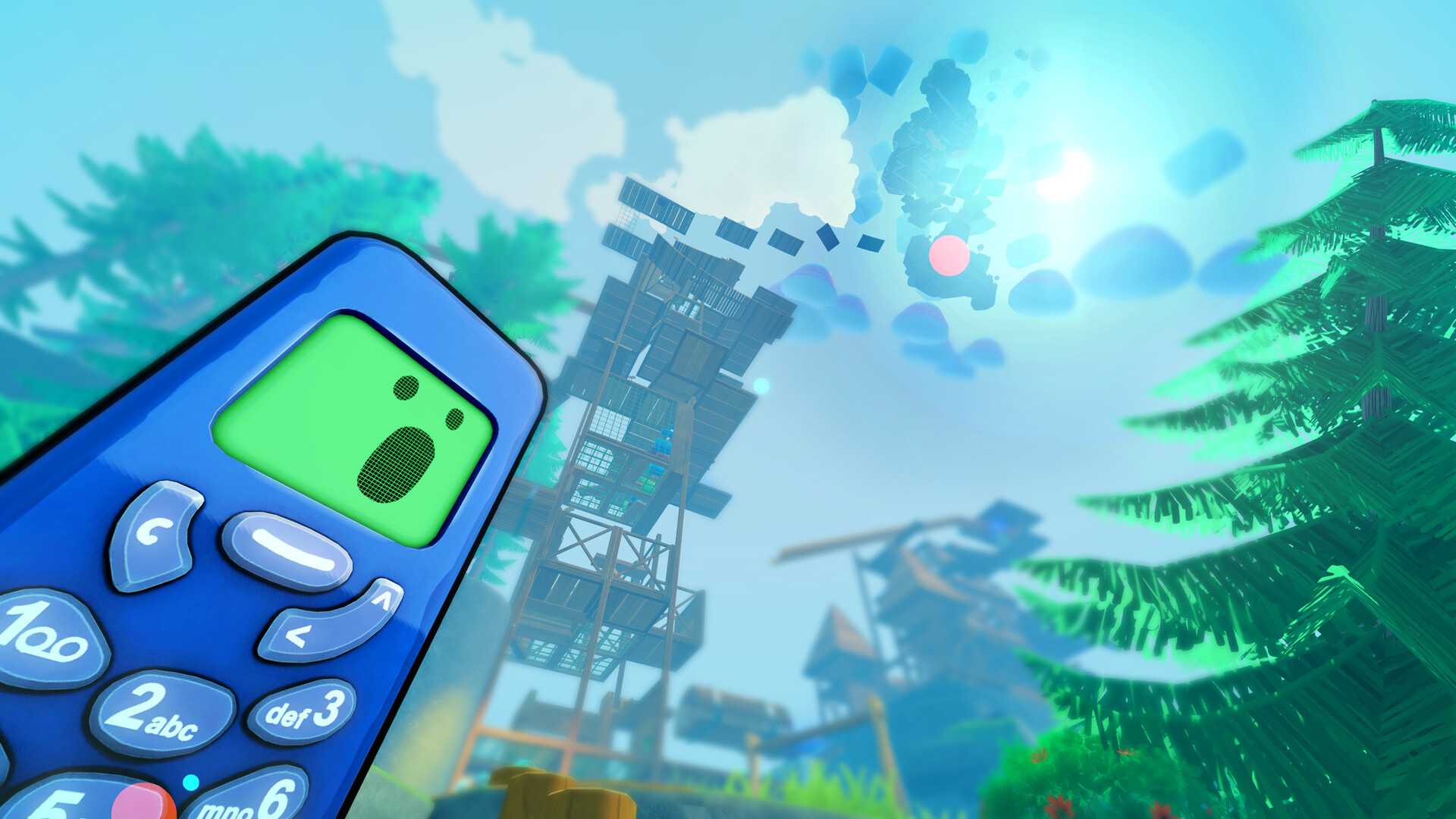
Steam offers Chill mode as checkpoints enabled. The studio names it Flipping Is Chill: you collect checkpoints and respawn at them. Flipping Is Hard has no checkpoints. A DualShockers review published on launch day describes Chill as the way to keep moving, and says a no-checkpoint run can stretch much longer. The same review says Chill does not delete the hard gaps. You still have to cross them. You only get the missed progress back.
Flipping Is Insane is on the studio site as a planned post-launch mode. A map editor is in that same "after launch" list. Do not plan a first session around either one until a patch note says they are in the game.
4. The Playground is the first official step up
The world page describes The Storm Drain as pipes, trash, and the first lessons, and Cardboard Fort as boxes, tape, and plastic army men. It then says The Playground, with wooden towers, slides, and planks, is where difficulty takes its first big step up. A DualShockers review makes a similar point in review language: earlier puzzles felt simpler to that writer, and the design asked more about halfway through. That is a reviewer's shape of the game, not a route.
5. Side challenges can wait
Steam says 16 NPCs have challenges that reward only the players who finish them. The press kit says 18 NPCs, many with optional platforming trials and cosmetic rewards. The count is unresolved between those two pages. Both agree the trials are optional. Cosmetics come from those trials, from hidden loot, and from redeem codes, according to the studio. A launch review also describes glowing packs that pull you off the path. Leaving the path for a charm is a choice, not a requirement for reaching Jeff.
6. The Help Beam is a rescue with a cost
In co-op, the studio says the Help Beam pulls a fallen friend up toward you and sends you bouncing while it happens. A DualShockers review says the tool cannot be used alone. Steam lists beams and microwaves together as ways to help friends. A Wand Report review describes the Microwaver as a catch-up ride for teammates who are behind. None of those pages print the button. Details and the lobby rules are on the co-op page.
7. The phone is a toolkit, not a second life
Tab opens it. The press kit puts retro mini-games, fall and distance stats, checkpoints, and customization in that screen. A Wand review names Fnake, Flippy Bird, and Floppy Road, and says they are as demanding as the climb. Steam achievement highlights use those names and do not explain the unlocks. Incoming calls meant for Jeff are part of the studio's feature list. A review also describes speakers that play voicemails. This guide treats those as related published descriptions of phone calls during the climb, not as two fully documented systems.
8. Use the restart tools on one jump, not on a whole route
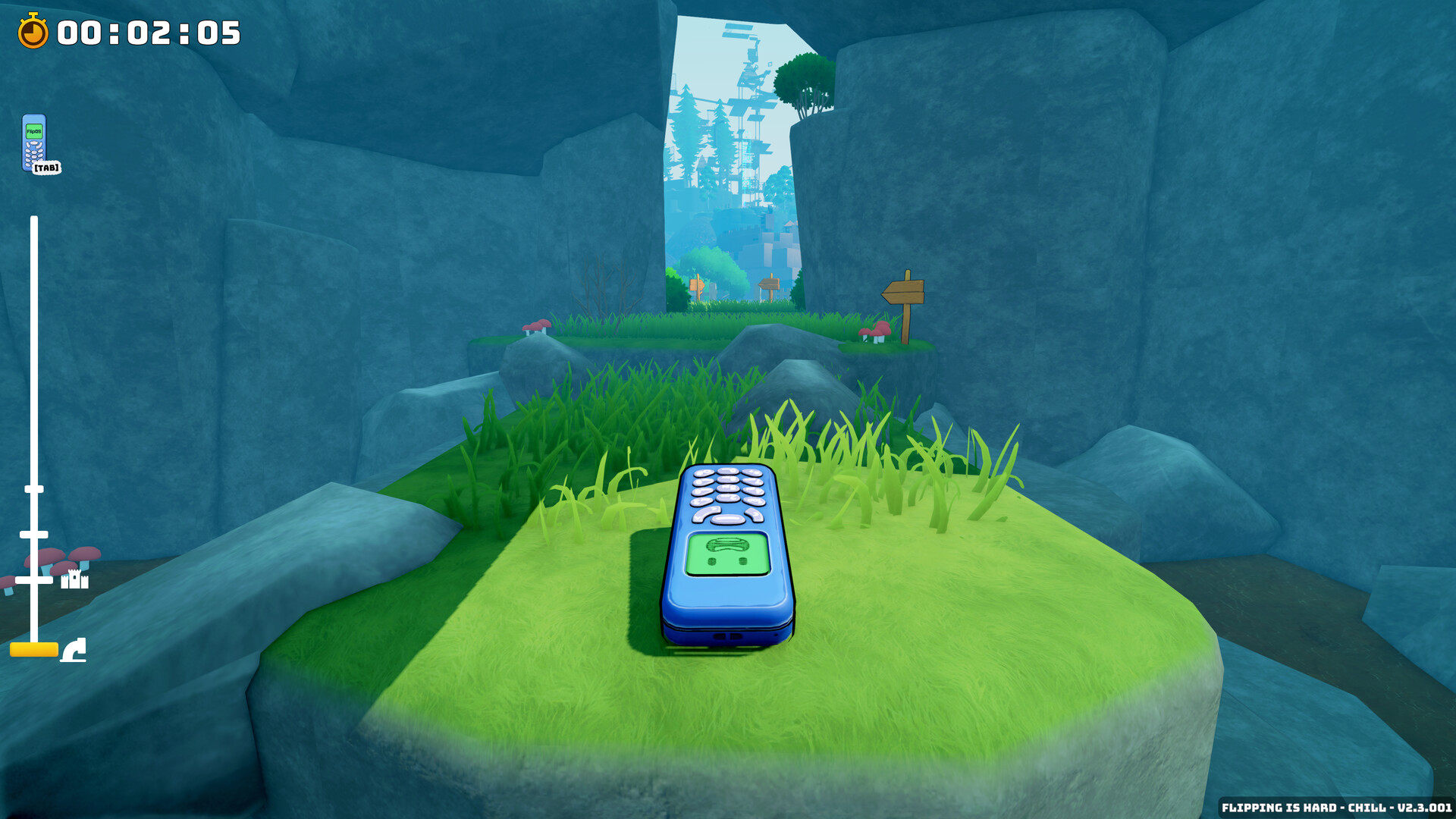
Steam lists quick restarts and built-in splits, and calls the movement hard to master. The press kit adds an in-game timer. Store screenshots show a timer on the HUD, including a 12 minute 32 second reading on the skins screen next to a 649 meter mark. Those numbers are what that frame displays. They are not a published time or height for a full clear. This page does not publish segment routes, skip setups, or speedrun splits.
9. Read the areas as themes, not as a walkthrough
The studio has asked that late areas, the final boss, and the ending stay out of previews. The areas page names the first four stops and the themes the studio already printed, then stops. A Wand review adds texture that matches those themes: icy platforms in the fridge, neon pipes, swinging lollipops, jelly sweets, and a chocolate river that did not immediately end that writer's fall. One fall in a review is not a rule that chocolate is safe.
10. The narrator is company, not a route chart
Sir Captain voices the narrator. The studio says he comments on climbs and falls, and that he is oddly keen for Flippy to stay. A DualShockers review describes the commentary as upbeat, with something in it that feels off, and says the stranger part of the story shows up later. A Wand review compared the delivery to Matt Berry. That comparison is the reviewer's, not a second credit. The credited voice remains Sir Captain. This guide does not turn his lines into instructions.
These ten notes are paraphrases of the Steam listing, the studio pages, and two reviews from 16 October 2026. If a tip needs a button the sources do not print, it is not on this page. The list of those pages is on Sources.